Building Resilience: A Letter from Our Executive Director
As we close out 2025, I’ve been reflecting on the year, and one truth has stayed with me: resilience isn’t revealed in moments of stability, but in crisis.
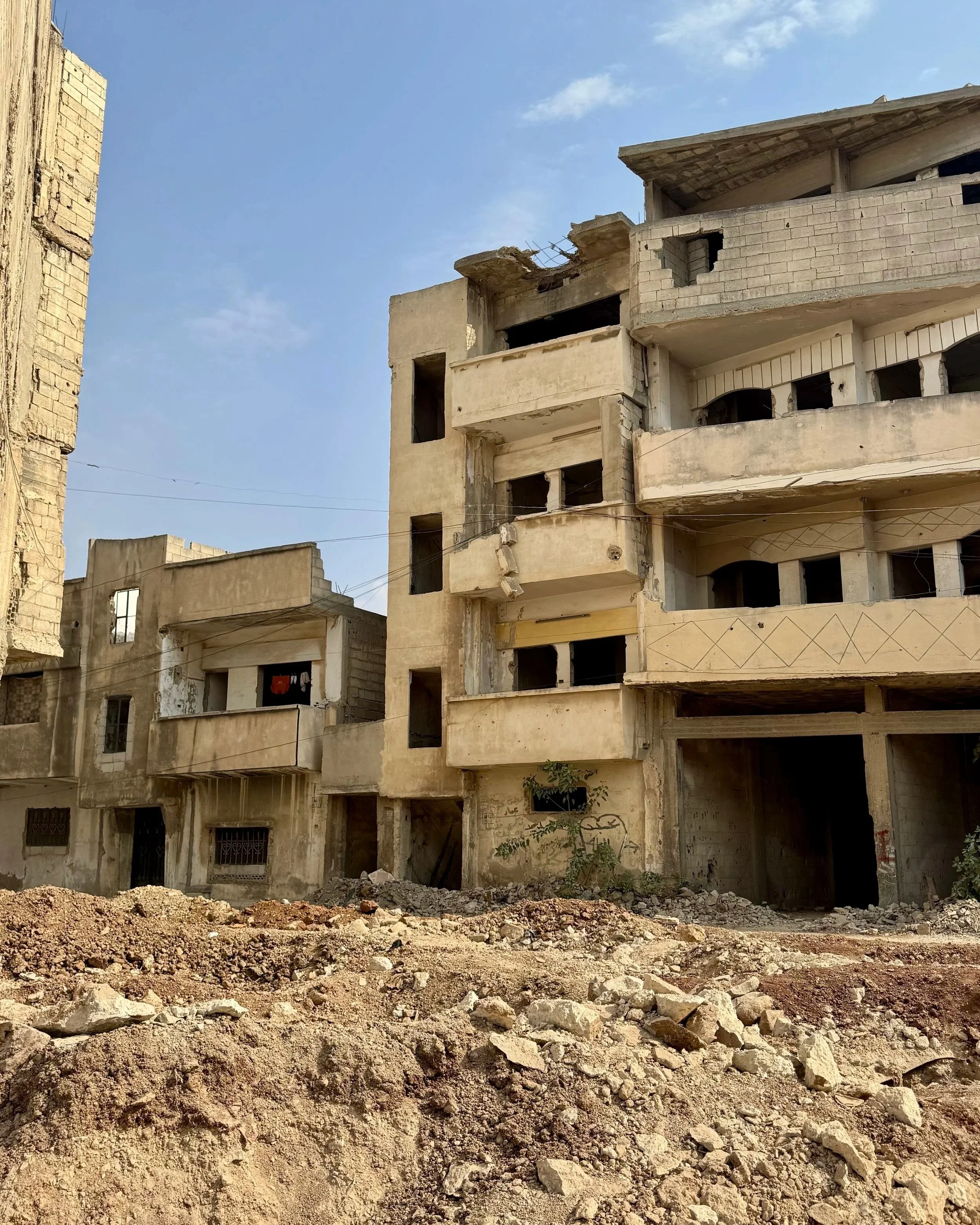
This year, I saw that truth firsthand in conversations with clinicians who continued showing up for their patients despite outages, displacement, and loss. For many of our frontline partners, delivering care meant constant adaptation—working through unreliable power and connectivity, growing security risks, and increasing pressure on already fragile health systems.
In response, we focused on strengthening the foundations of our technology. We continued to invest in our offline-first, open-source electronic health record system so care can continue even when infrastructure fails.
For us, resilience isn’t about innovation for its own sake. It’s about making deliberate choices that prioritize reliability, data protection, and usability, especially in settings where failure has real consequences. Throughout 2025, we strengthened security, expanded medication and pharmacy tracking, enabled device-to-device syncing when networks go down, and reduced infrastructure costs so partners can sustain these systems long term.
In practice, that meant clinics could continue dispensing and tracking medications for thousands of patients, even during outages and disruption. Care teams could share patient records locally across devices, so coordination didn’t stop when connectivity did.
Some of the most important lessons shaping this work came from our partners in humanitarian settings—particularly in Syria and Gaza—where clinicians are delivering care amid displacement, destruction, and constant uncertainty. Their clarity about what works and what doesn’t has directly shaped how we build. Systems need to function offline. Patient data must be protected. And clinicians need to focus on care, not the technology behind it. Designing for these realities has made our platform stronger everywhere it’s used.
At the same time, we’re seeing growing demand for this kind of resilience far beyond crisis settings. Ministries of Health, community clinics, and school-based health programs are increasingly looking for systems built for disruption, recognizing that climate stress, infrastructure instability, and cyber risk are now part of the everyday reality of healthcare.
In 2025, we also took a step forward with the launch of the Health & Environmental Record System (HERS), which integrates environmental data directly into clinical workflows. The goal is simple: help clinicians better anticipate and respond to climate-related health risks. Like everything we build, HERS is designed for real-world use and to complement existing systems, not replace them.
As we look ahead to 2026, our focus remains clear: expand our impact while staying grounded in the realities our partners face every day. We’ll continue supporting care delivery in the most challenging settings, deepening partnerships, and building tools that hold up under pressure—because that’s what frontline providers need, and what patients deserve.

To our frontline partners, especially those delivering care in crisis settings, thank you for trusting us, challenging us, and building alongside us.
And to our donors and collaborators, thank you for helping make personalized, dignified care possible for communities too often left behind.
Below, I invite you to read our 2025 Annual Report, which shares more about what we accomplished together this year and where we’re headed next.
— Sarah
Sarah Mure
Executive Director, Hikma Health