World Health Summit 2026
Building Digital Health Systems That Work When Infrastructure Doesn’t
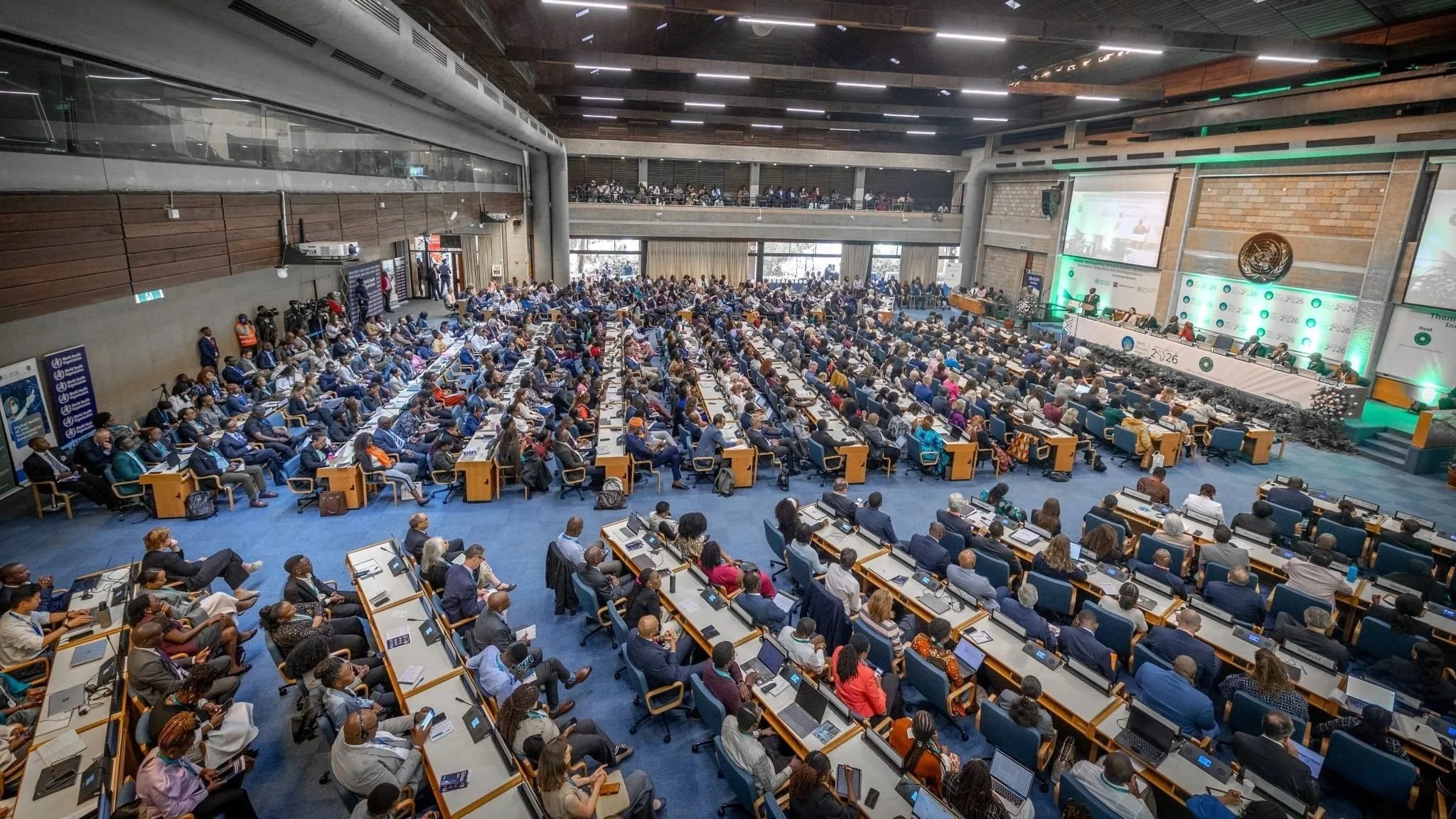
Plenary session at WHS 2026.
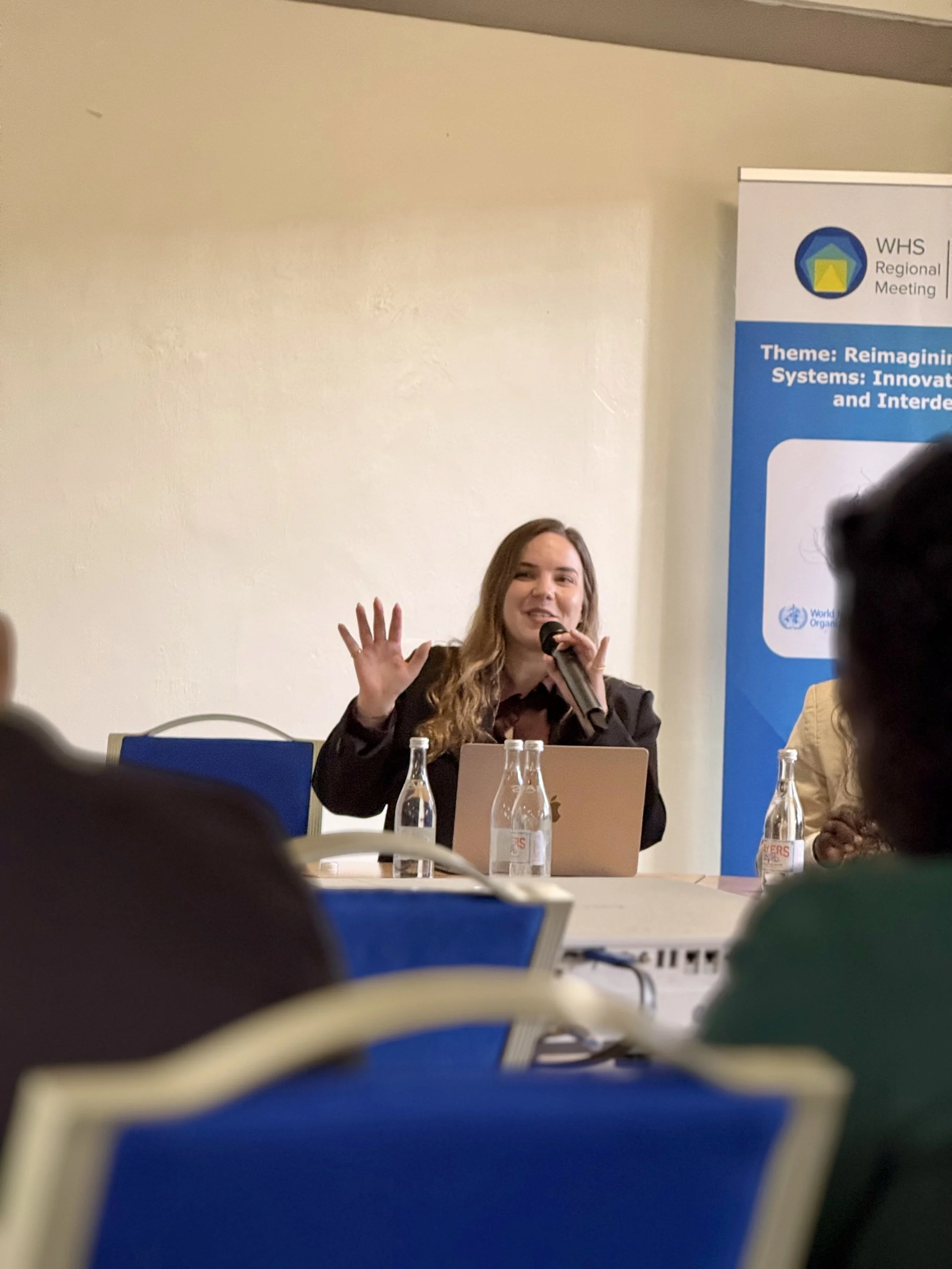
Last week, Hikma Health participated in the World Health Summit, with this year focused on Reimagining Africa’s Health Systems Through Innovation, Integration, and Collaboration. During the conference, our Executive Director, Sarah Mure shared about Hikma Health’s strategies during the session on Telemedicine and Remote Monitoring for Hard-to-Reach Settings.
One question came up again and again: how do we ensure care continues when connectivity is limited, infrastructure is fragile, and health systems are under strain?
For many of Hikma Health’s partners, this is not theoretical. It is the reality clinicians navigate every day.
Across humanitarian and low-resource settings, healthcare workers are often delivering care in environments where internet access is unreliable, power outages are common, and patient movement is frequent. In these contexts, continuity of care becomes both incredibly difficult and critically important.
Key Lessons Shared
During the session, we shared lessons from supporting digital health implementations across more than 20 countries, including work alongside partners in Syria, Gaza, and across Africa. Across these settings, one challenge consistently emerges: telemedicine depends on continuity of patient information. When systems fail, care becomes fragmented quickly.
Digitizing paper processes alone is not enough.
Many digital health systems fail because they simply replicate paper workflows without solving underlying operational challenges. If digital tools create more work for clinicians or fail to fit within real clinical workflows, adoption becomes difficult, especially in high-pressure environments. Technology should reduce burden, not add to it.Systems must be designed for implementation challenges.
In many settings, connectivity is inconsistent, teams are stretched thin, and staff turnover can be high. Systems need to be intuitive, flexible, and sustainable over time. Training cannot be a one-time event, and implementation support has to account for how teams and environments evolve.Interoperability and governance matter just as much as technology.
Across many countries, Ministries of Health and healthcare organizations are working to strengthen digital coordination and data visibility, but infrastructure limitations, hosting considerations, and system compatibility remain ongoing challenges. Building resilient health systems requires more than technology alone, it requires long-term operational planning, collaboration, and trust.
These experiences continue to shape how Hikma Health approaches product development. Our open-source electronic health record platform is designed to function offline-first, allowing clinicians to continue documenting care even without reliable internet access. Data can sync once connectivity becomes available. We also prioritize multilingual support, configurable workflows, and lightweight implementation models that reduce technical burden for local teams.
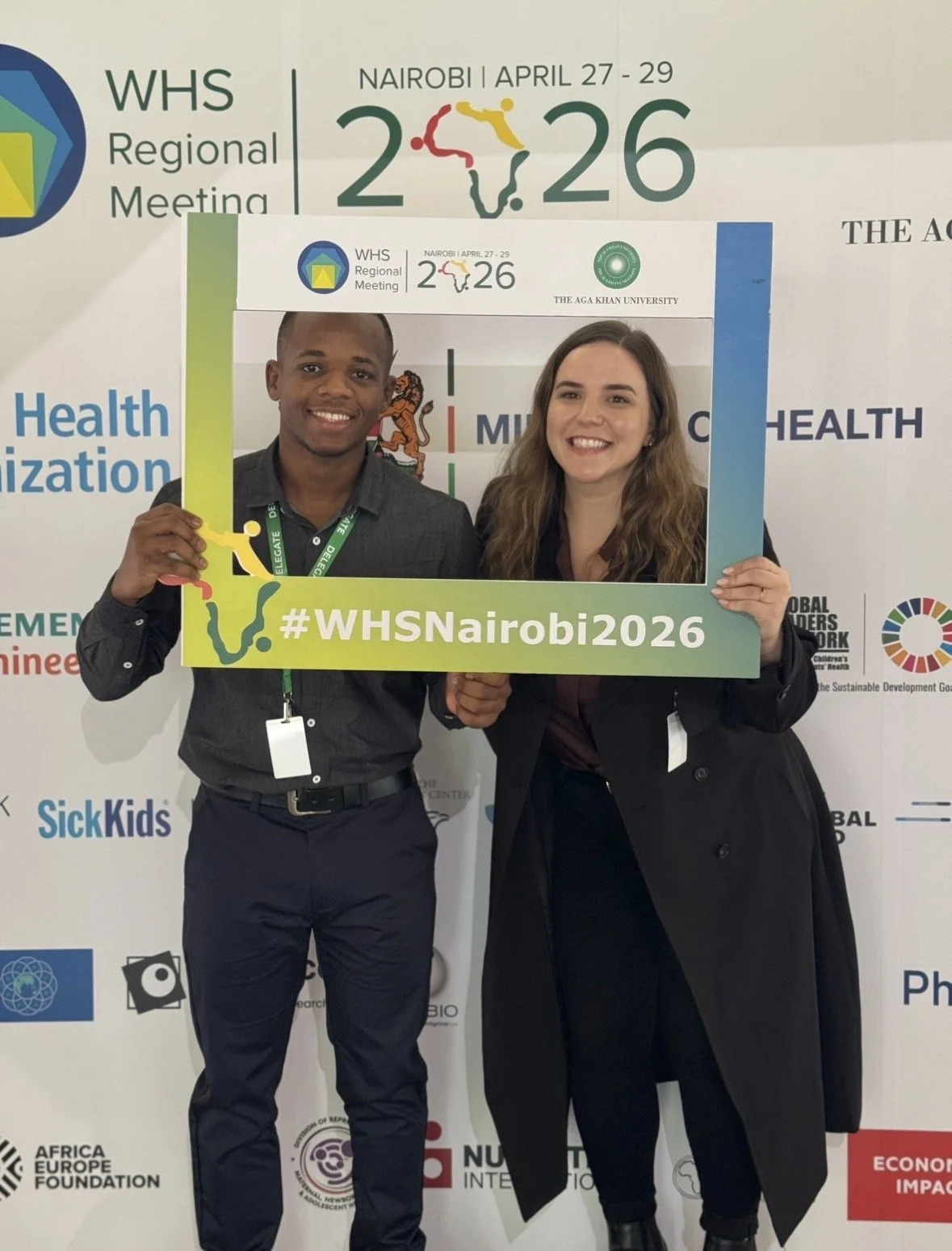
Beyond the session itself, the World Health Summit created space for meaningful conversations with organizations, clinicians, and digital health leaders across the African continent who are exploring stronger continuity-of-care systems in their own contexts. We had encouraging discussions with groups interested in both our offline-first EHR platform and HERS (Health & Environmental Record System), which integrates environmental exposure data into healthcare workflows to support prevention, preparedness, and clinical decision-making.
The conference also reinforced the importance of shared learning across the digital health ecosystem. We left Nairobi excited to continue engaging with collaborative networks and communities of practice focused on interoperability, telehealth, implementation, and digital health systems strengthening across low-resource settings.
Most of all, we left encouraged by the openness and thoughtfulness of the conversations throughout the week. As digital health continues to expand globally, we believe the focus must remain grounded in practicality, dignity, and continuity of care, because innovation only matters if it works in the realities clinicians and patients actually face.