Five Priorities Shaping the Future of Digital Health
Digital health is entering a new phase. The conversation is no longer centered on whether technology belongs in healthcare, but on how to design systems that improve care in practice.
That shift was evident throughout this year's Digital Public Health (DPH) Conference in Barcelona. Across discussions on artificial intelligence, climate and health, interoperability, and health system resilience, researchers, clinicians, policymakers, and implementers returned to the same question: How can digital tools better support patients, providers, and health systems?
For organizations working in humanitarian and low-resource settings, these priorities are not new. They reflect many of the challenges we navigate every day. Rather than introducing entirely new ideas, the conference reinforced where digital public health is heading and why designing technology for real-world implementation matters more than ever.
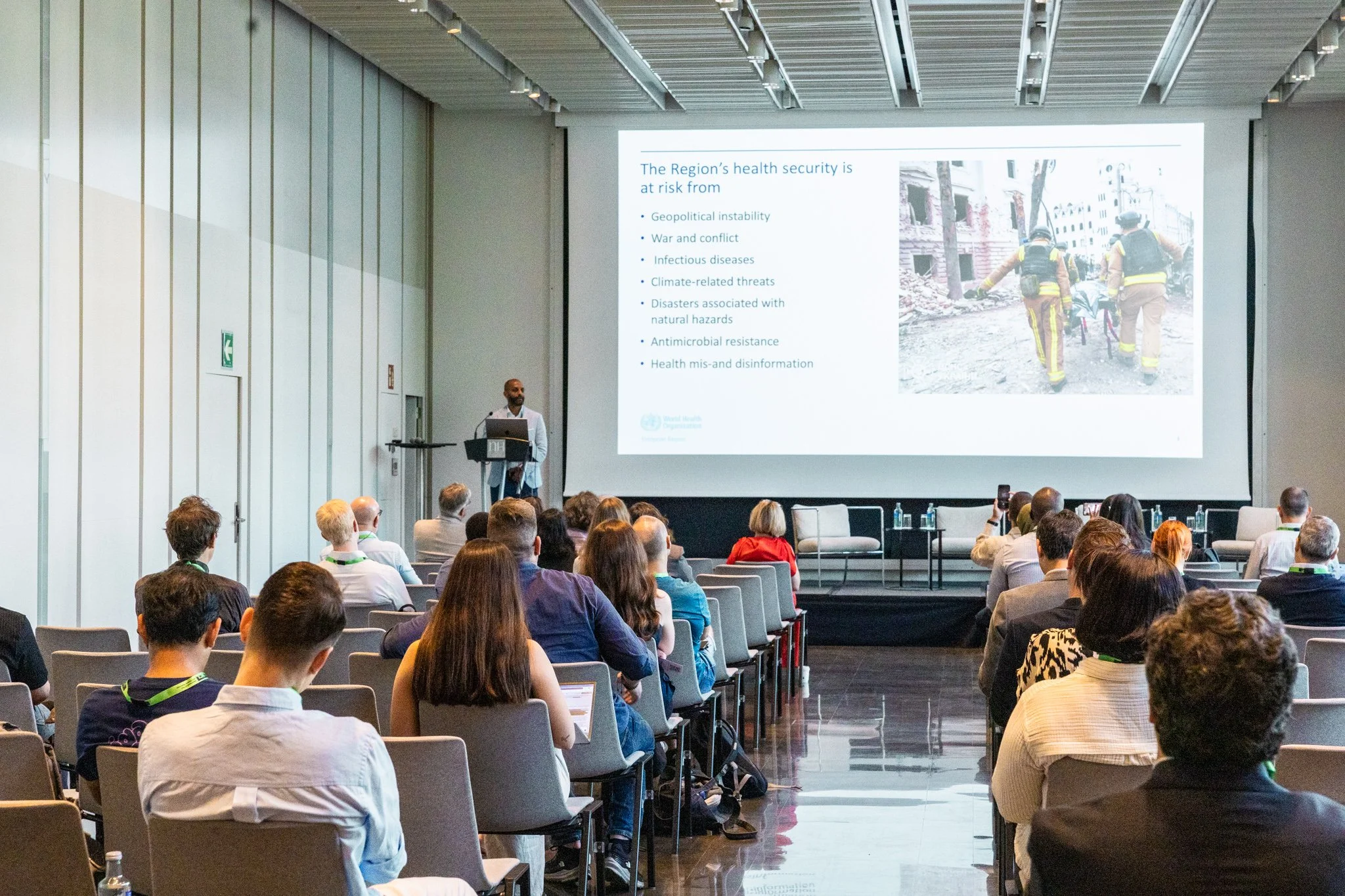
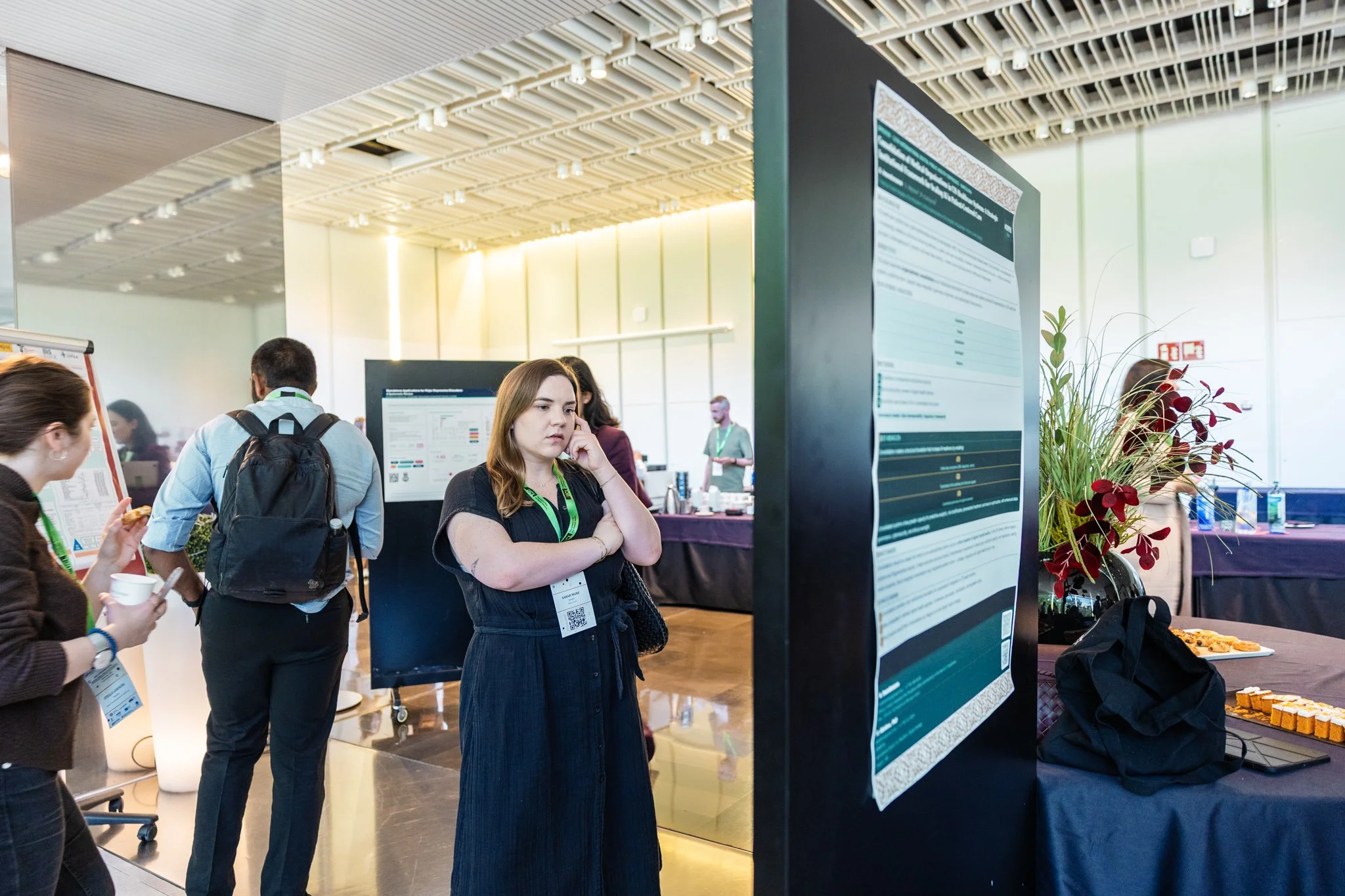
Photo: Digital Public Health (DPH) Conference 2026
Attendees participate in a session at the Digital Public Health (DPH) Conference 2026 in Barcelona. The conference convened researchers, clinicians, policymakers, and digital health practitioners from around the world.
Here are five themes that stood out.
1. AI should improve care…not add complexity
Artificial intelligence was impossible to ignore. Sessions explored everything from large language models and clinical decision support to governance, ethics, and responsible implementation. While the technology continues to evolve rapidly, one message was consistent: AI is only valuable if it helps healthcare providers deliver better care.
That means reducing administrative burden, supporting clinical decision-making, and fitting naturally into existing workflows. Tools that increase complexity or require additional work are unlikely to succeed, regardless of how advanced they may be.
For humanitarian settings, where healthcare workers often operate with limited time, staff, and resources, this principle is especially important. Technology should support clinical teams and not compete for their attention.
2. Better data only matters if it leads to better decisions
Another recurring theme was making health data more usable. Collecting information is only the first step. The real value comes from ensuring data can inform clinical care, strengthen public health decision-making, and improve health system planning.
Discussions on interoperability highlighted the importance of connecting systems so information can move securely across organizations and levels of care. At the same time, many speakers emphasized that data must remain meaningful to the people collecting and using it, not simply satisfy reporting requirements.
For organizations delivering care across multiple clinics, mobile teams, or remote locations, timely access to patient information can improve continuity of care, reduce duplication, and support more informed clinical decisions.
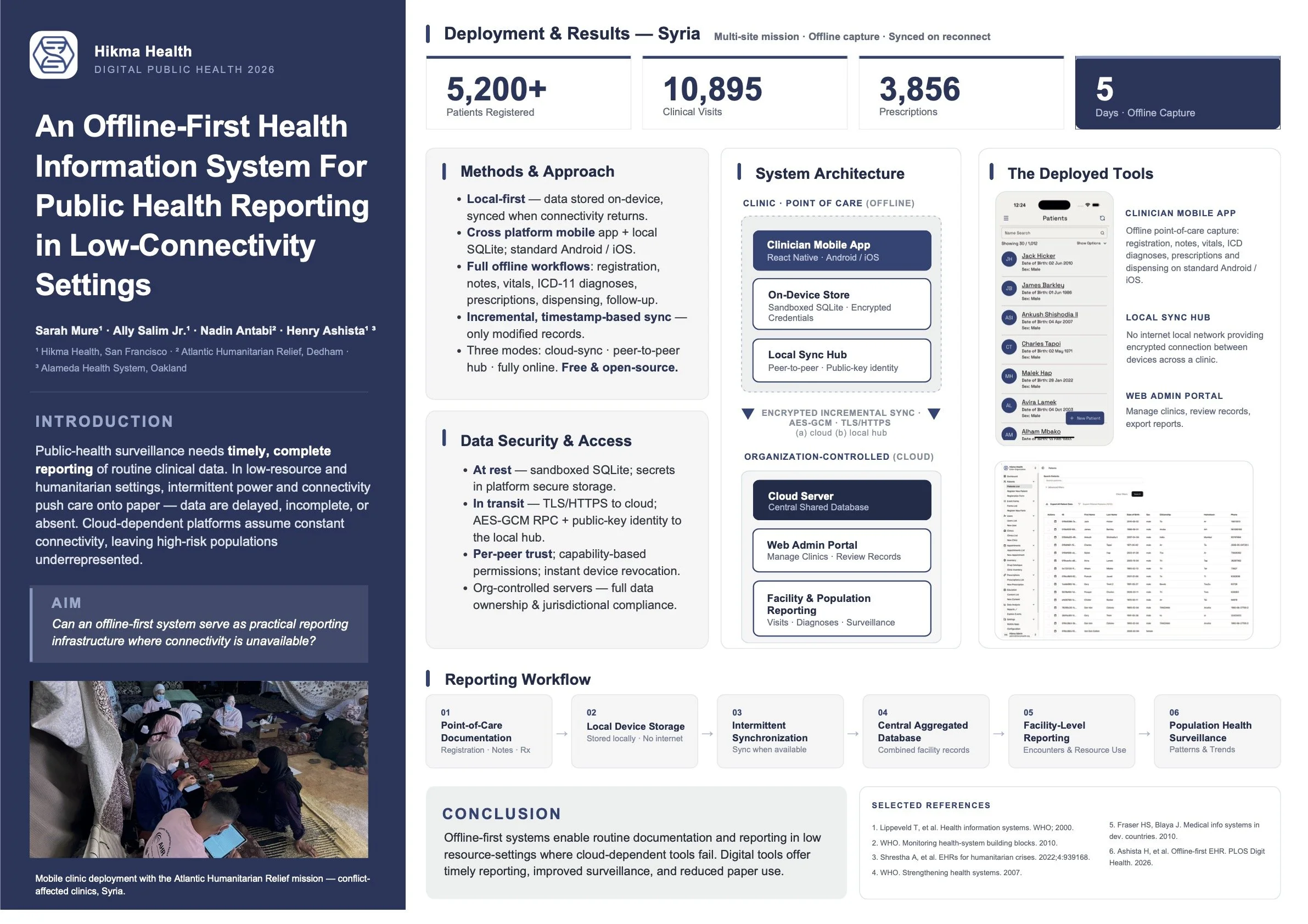
3. Digital health should work where healthcare is hardest to deliver
Perhaps the strongest message throughout the conference was that digital health must be designed for the realities of healthcare delivery, not ideal conditions.
Conversations around emergency preparedness, health system resilience, and equitable access reinforced the need for technology that remains reliable when infrastructure is limited. In many parts of the world, internet connectivity is intermittent, electricity is unreliable, and healthcare teams work across mobile clinics or conflict-affected communities.
These realities should not exclude patients from benefiting from digital health.
At Hikma Health, this philosophy has guided our work from the beginning. Building for humanitarian settings means designing systems that work offline, adapt to local workflows, and continue supporting patient care even when connectivity is unavailable. Resilience is not an added feature, it is a design requirement.
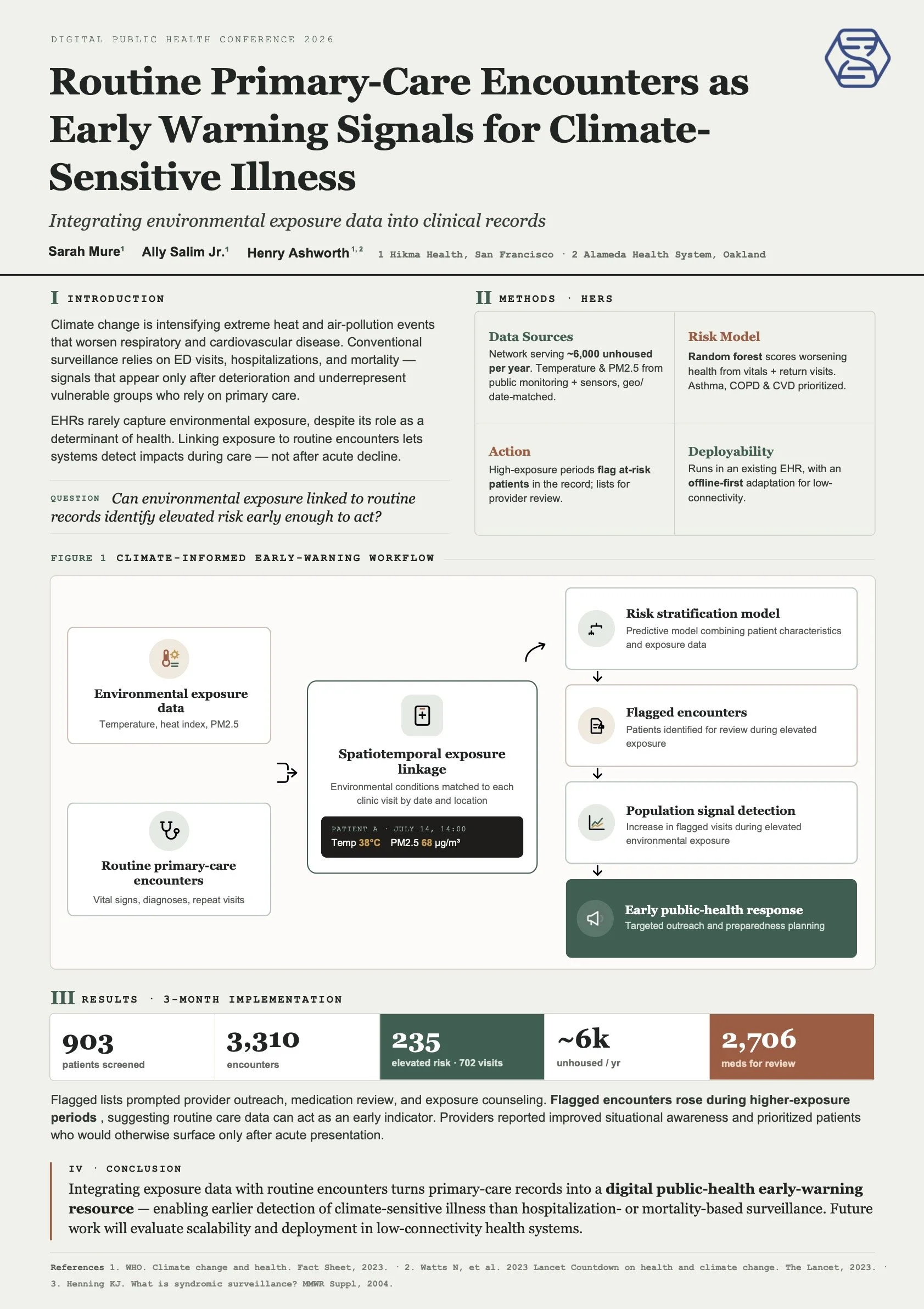
4. Climate is becoming a public health priority
Climate and environmental health featured prominently throughout the conference, reflecting a growing recognition that environmental conditions increasingly shape health outcomes.
As health systems respond to rising temperatures, poor air quality, extreme weather events, and changing disease patterns, environmental information is becoming more relevant to both clinical care and public health planning.
This growing focus aligns with Hikma Health's ongoing work through the Health and Environmental Record System (HERS), which explores how environmental data can be integrated with clinical information to better understand climate-related health risks and support more informed decision-making.
5. Collaboration is just as important as innovation
Some of the most valuable conversations at DPH didn't happen during formal presentations. They happened between organizations working to solve many of the same challenges.
As digital health continues to evolve, no single organization will have all the answers. Building stronger health systems will require researchers, implementers, governments, and technology organizations to share lessons, learn from one another, and identify opportunities to work together rather than in parallel.
As an open-source organization, we’ve always believed that collaboration strengthens innovation. Throughout the conference, we connected with fellow open-source digital health organizations to exchange ideas, discuss common challenges, and explore how our work can complement one another. Those conversations reinforced that advancing digital health isn't about building more tools, it's about sharing knowledge, building on existing work, and improving care together.
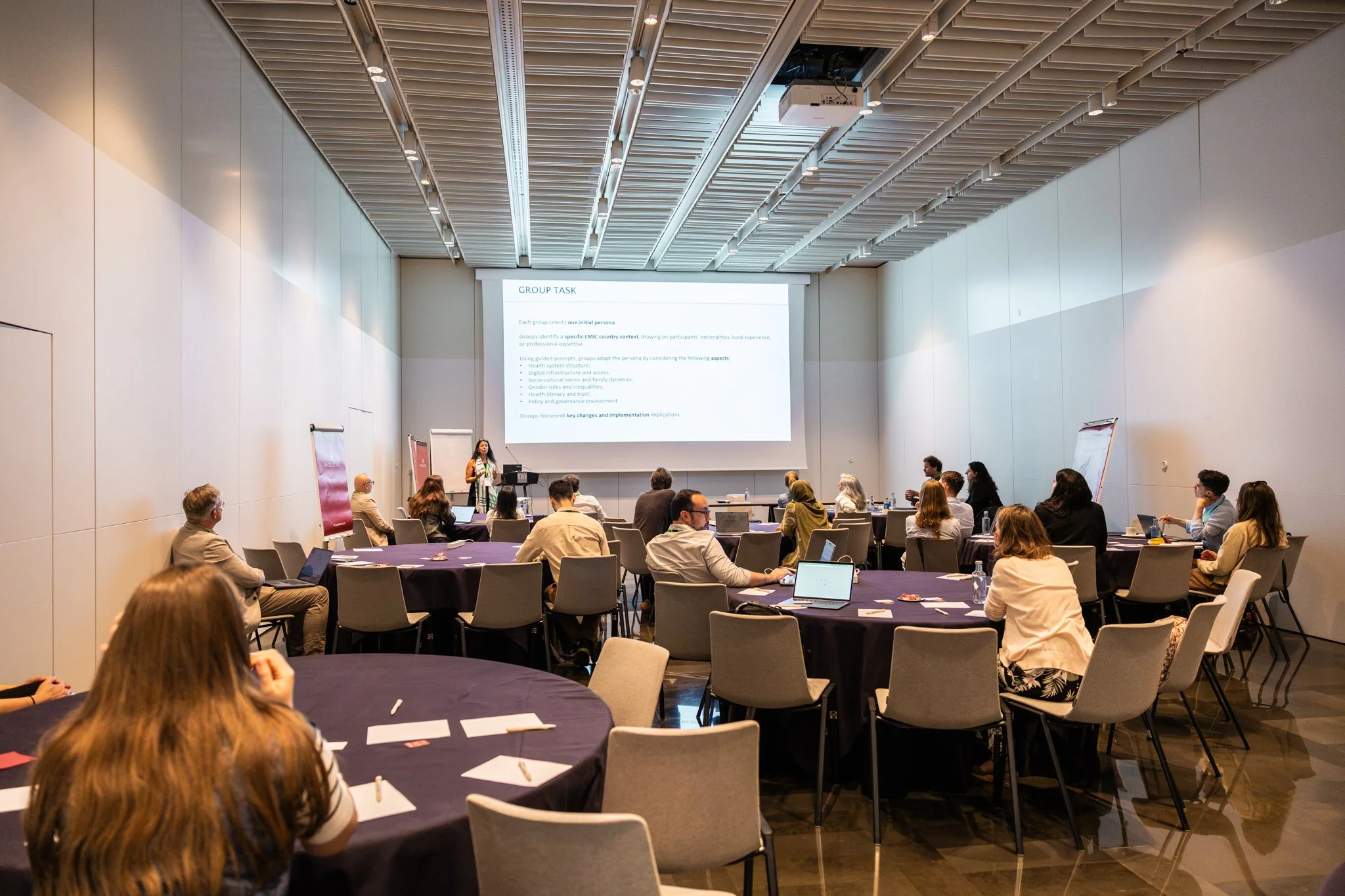
What’s Next
The conversations at DPH reinforced a broader shift in digital public health. Success will not be defined by the number of new technologies developed, but by whether those technologies improve care, strengthen health systems, and respond to the realities of healthcare delivery.
Meeting that challenge will require thoughtful implementation, collaboration across organizations, and a continued focus on designing digital tools that work where they are needed most. We left Barcelona with new ideas, new relationships, and a renewed appreciation for the value of learning from others working to strengthen health systems around the world.
Further Reading: Our DPH 2026 Presentations